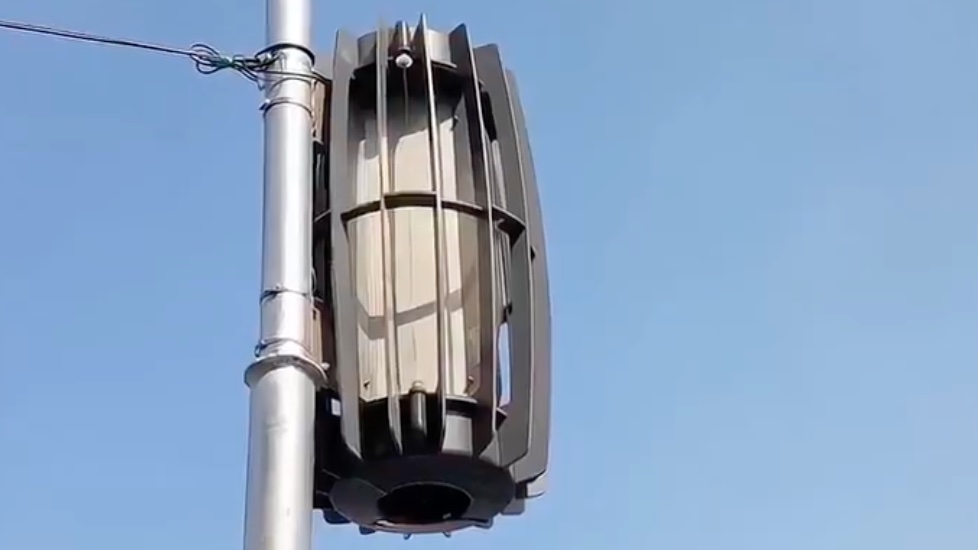
Jaipur, Rajasthan. As air pollution levels continue to rise across Indian cities, Jaipur has become the first city in the country to begin installing street air purifiers at busy junctions. The initiative, launched by the Jaipur Municipal Corporation (JMC), aims to reduce particulate matter (PM2.5 and PM10) and improve overall air quality during the peak pollution months.
The purifiers have been placed in high-traffic areas such as MI Road, Badi Chaupar, Johari Bazaar, and Tonk Road. Officials claim each unit is capable of filtering several thousand cubic metres of air per hour, capturing dust, smoke, and suspended particles from vehicle emissions.
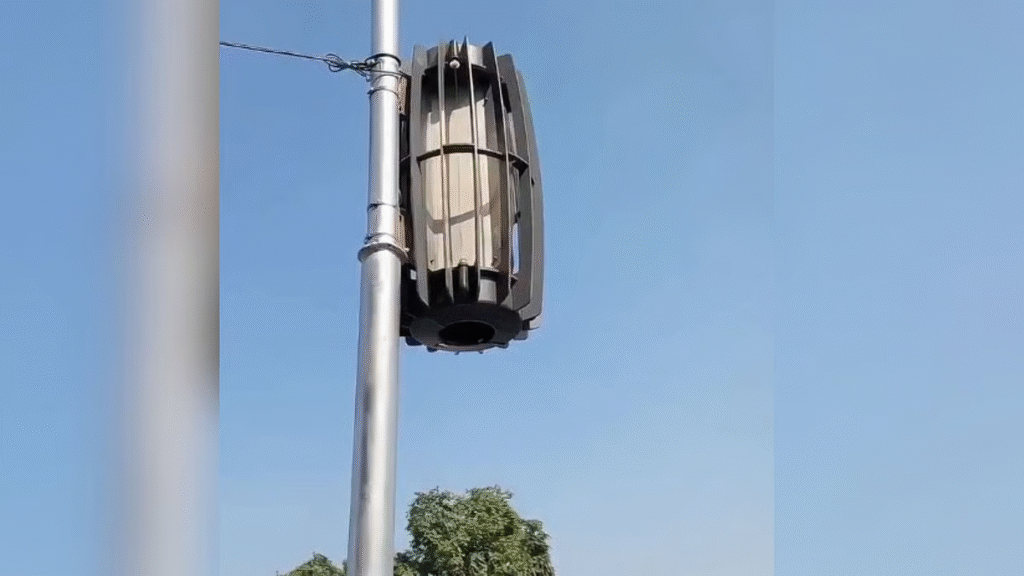
City authorities have stated that the move is part of a larger effort to combat urban pollution, which spikes significantly in winter due to increased traffic, construction dust, and changing wind patterns. According to JMC, the purifiers are designed to work around the clock and will be monitored to measure their impact over the coming weeks.
However, the installation has sparked a mixed reaction online. Many netizens have questioned whether air purifiers on roads can make any meaningful difference and argued that the city should prioritise long-term environmental measures instead. Social media users pointed out that planting more trees, expanding green belts, and controlling construction dust would have a far greater impact than machinery placed at intersections.
Urban environmentalists have echoed similar concerns, noting that while air purifiers may offer localised relief, they cannot replace natural filtration offered by trees nor address the root causes of pollution. Experts also emphasised that such devices are typically effective only within a very limited radius and may not significantly reduce pollution on a city-wide scale.
Despite the debate, authorities maintain that the purifiers are a step toward exploring technological solutions while other environmental policies continue to be implemented. For now, Jaipur stands as the first Indian city to test such devices at a municipal level, placing itself at the centre of the discussion on whether technology or nature-based solutions should lead India’s fight against rising pollution